Revolutionizing the Automotive World: The Latest Innovations in Car Parts Technology
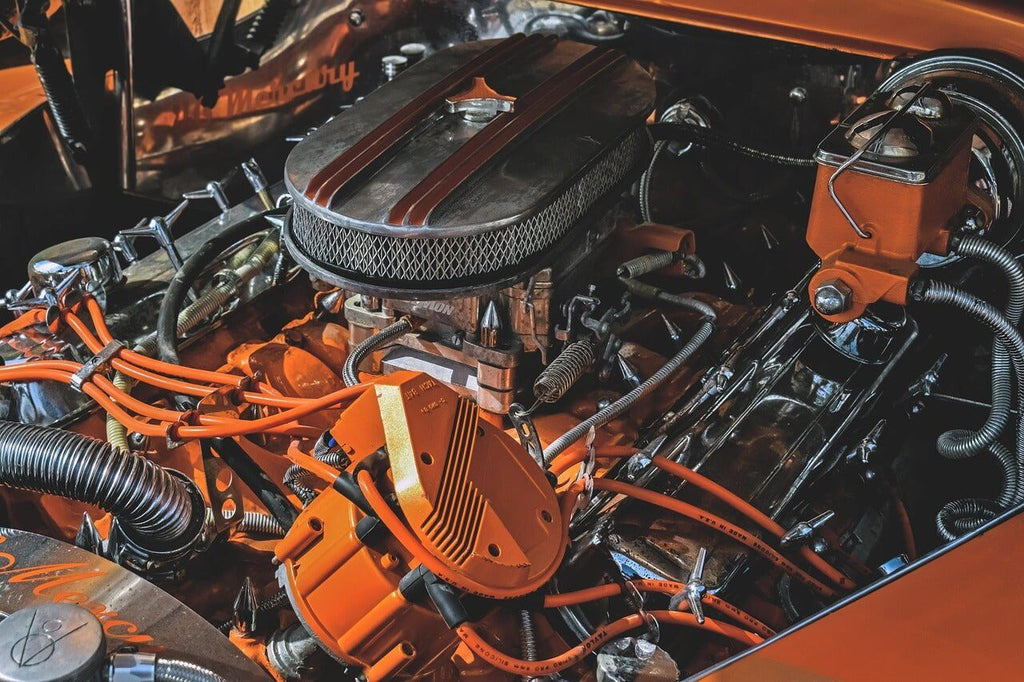
The automotive industry is undergoing a seismic shift. This is driven by advancements in car parts technology. Evolving consumer demands also play a role. Car parts are central to this transformation. This includes electric vehicles (EVs) and autonomous driving systems. In this blog, we'll explore exciting innovations in automotive components. These breakthroughs enhance performance, sustainability, and safety for drivers worldwide.
1. Solid-State Batteries: Powering the EV Revolution
Electric vehicles are no longer a niche market. They are the future. Solid-state battery development is central to this shift. These batteries promise higher energy density. They offer faster charging and improved safety. This is compared to traditional lithium-ion batteries. Companies like Tesla and Toyota are racing to commercialize this technology. Prototypes already achieve energy densities of 350 Wh/kg. This significantly extends EV range.
Why It Matters:
- Longer Range: Reduce “range anxiety” with new batteries. They last over 500 miles on a single charge.
- Faster Charging: Achieve 80% charge in under 15 minutes.
- Safer Design: Eliminate flammable liquid electrolytes. This reduces fire risks.
2. Smart Sensors and LiDAR: The Eyes of Autonomous Cars
Autonomous driving relies on advanced sensors. These include LiDAR (Light Detection and Ranging). Millimeter-wave radar and high-resolution cameras are also used. These components help vehicles “see” their surroundings. They offer unparalleled precision. For instance, Tesla’s Full Self-Driving (FSD) system is an example. It uses 8 cameras. AI-powered processing helps navigate complex environments.
Key Innovations:
- AI-Enhanced LiDAR: This combines 3D mapping with real-time data processing. It allows safer lane changes and obstacle detection.
- Sensor Fusion: This integrates data from multiple sensors. It improves decision-making in adverse weather.
3. Lightweight Materials: Boosting Efficiency Without Sacrificing Strength
The push for fuel efficiency has fueled lightweight material adoption. This also includes reduced emissions. Carbon fiber composites are used. Aluminum alloys and high-strength steel are also common. BMW’s i3 uses carbon fiber-reinforced plastic. This cuts weight by 30%. It enhances both performance and energy efficiency.
Applications:
- Engine Components: Lightweight pistons and crankshafts improve acceleration.
- Body Panels: Carbon fiber reduces vehicle weight. It maintains crash safety standards.
4. 3D-Printed Custom Parts: Personalization Meets Precision in Car Parts Technology
3D printing revolutionizes how car parts are designed. It also changes how they are manufactured. Companies like Porsche and General Motors use this technology. They produce customized components on demand. This includes intricate engine parts and bespoke interior trim.
Benefits:
- Rapid Prototyping: Accelerate product development cycles.
- Cost Efficiency: Reduce waste and inventory costs with on-site production.
5. AI-Driven Predictive Maintenance Systems
The days of reactive repairs are gone. Modern vehicles use AI-powered diagnostic systems. They predict component failures before they happen. For example, Bosch’s IoT-enabled sensors monitor engine health. This happens in real time. They alert drivers to issues. This includes worn brake pads or low battery life.
Impact:
- Reduced Downtime: Prevent breakdowns with proactive alerts.
- Extended Lifespan: Optimize part performance through data-driven insights.
6. Sustainable and Recyclable Components
Eco-consciousness is growing. Automakers are prioritizing circular economy principles. Michelin’s “Vision Concept” tire is an example. It is made from biodegradable materials. Ford uses recycled ocean plastics in wiring harnesses. This exemplifies the trend.
Eco-Friendly Trends:
- Recycled Metals: Aluminum and steel parts come from post-consumer waste.
- Bio-Based Polymers: Interior components are derived from plant fibers.
The automotive parts industry is leading the charge. It is not just keeping pace with innovation. These technologies redefine what's possible on the road. This ranges from solid-state batteries to AI-driven diagnostics. Staying informed about these advancements is important. This ensures smarter choices. It also means a smoother ride into the future.

-
Posted in
#AutomotiveInnovation, #BestEVBatteryTech, #CarEnthusiasts, #EcoFriendlyAutoParts, #EVTechnology, #MechanicsGuide, #SmartCarTechnology