Cadillac Escalade Suspension Problems: Signs Your Shocks or Struts May Be Failing
Understanding Your Cadillac Escalade's Suspension System

Your Cadillac Escalade is engineered for a luxurious and smooth driving experience. This comfort relies heavily on its sophisticated suspension system, and recognizing Escalade suspension problems early is key to maintaining it. This complex network of components works tirelessly to absorb road imperfections. It also keeps your tires firmly planted on the ground. Key elements include shocks, struts, springs, and for many models, an advanced air suspension. Together, they ensure stability, control, and a serene ride. Understanding these parts helps you recognize when something isn't quite right.
The Role of Shocks and Struts in Ride Quality
Shocks and struts are vital for controlling the vehicle's motion. They dampen the spring's oscillations after hitting a bump. Without them, your Escalade would continue bouncing long after encountering an imperfection. Shocks manage the up-and-down movement of your suspension. Struts are similar but also provide structural support for the suspension. They are integral to steering and alignment. Worn shocks or struts significantly degrade ride comfort. They also compromise vehicle handling and safety.
How Air Suspension Works in Escalades (2015-2020 Models)
Many Cadillac Escalade models from 2015 to 2020 feature an advanced air suspension system. This system replaces traditional coil springs with adjustable air springs. An air compressor inflates or deflates these springs. This allows the vehicle to automatically adjust its ride height. It also adapts to changing road conditions and load. Sensors monitor the system, ensuring a consistent and comfortable ride. This technology enhances both luxury and performance. It allows for a smoother transition over bumps and better handling.
Why a Healthy Suspension Matters for Safety and Comfort
A well-functioning suspension system is crucial for more than just comfort. It directly impacts your vehicle's safety. Proper suspension ensures optimal tire contact with the road. This is essential for braking and steering effectiveness. It also maintains vehicle stability during turns and emergency maneuvers. A compromised suspension can lead to longer stopping distances. It can also result in unpredictable handling. Regularly checking your suspension ensures you and your passengers enjoy a safe and comfortable journey.
Common Signs of Cadillac Escalade Suspension Problems

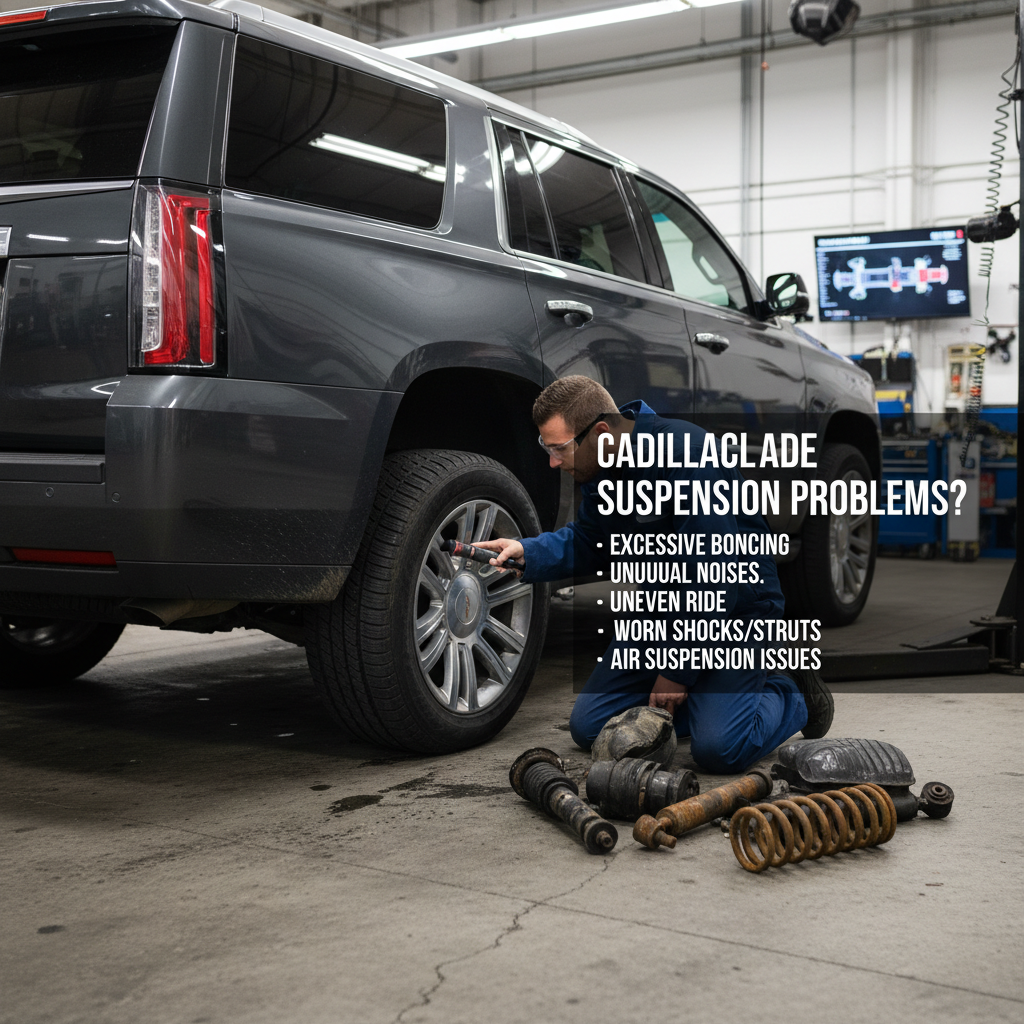
Recognizing the early signs of suspension issues is key to preventing further damage and ensuring safety. Your Cadillac Escalade might give you several indicators that its suspension needs attention. These can range from subtle changes in handling to more obvious physical symptoms. Paying close attention to how your vehicle behaves on the road can save you significant trouble down the line. Ignoring these signs can lead to more extensive and costly repairs.
Excessive Bouncing or Swaying (Why Does My Escalade Ride Rough?)
If your Escalade feels bouncy or sways, it indicates worn shocks or struts. This happens after hitting bumps or during turns. Many people ask, "Why does my Escalade ride rough?" The damping function of the shocks is failing. They can no longer control the spring's oscillations effectively. This leads to a continuous up-and-down motion. A rough ride can also be due to air suspension pressure loss.
Unusual Noises: Clunks, Creaks, and Rattles
Strange noises emanating from your suspension are never a good sign. Clunks when going over bumps can indicate loose or worn components. Creaking sounds, particularly at lower speeds or when turning, might point to worn ball joints or bushings. Rattles could suggest something is loose within the suspension assembly. These sounds often become more pronounced as suspension parts wear out. They signal that metal-on-metal contact might be occurring.
Uneven Ride Height or Sagging Corners
If your Escalade sits lower on one side, or the rear sags, it signals a suspension problem. This applies to springs or the air suspension system. For air suspension models, a leak or bad compressor is possible. Traditional systems might have a broken coil spring or failing shock. An uneven ride height affects vehicle balance and handling.
Shock Leakage and Fluid Stains
Inspect your shocks and struts for any signs of fluid leakage. You might see oily or wet patches on the exterior of the shock absorber. This fluid is hydraulic fluid, essential for the shock's damping function. Leaking indicates that the seals within the shock have failed. This compromises its ability to control suspension movement. Continued driving with leaking shocks will accelerate wear on other suspension components and affect ride quality.
Poor Handling and Steering Responsiveness
A healthy suspension system is vital for precise handling. If your Escalade pulls to one side, that's a sign. Increased body roll in turns also suggests an issue. Vague or less responsive steering means your suspension may be compromised. Worn components affect alignment and straight-line driving. This can make driving feel less secure and more tiring. Poor handling is a critical safety concern.
Troubleshooting Specific Model Years: 2015-2020 Cadillac Escalade Suspension Issues

Cadillac Escalades from 2015 to 2020 are known for their luxury and advanced features. However, like any vehicle, they can experience suspension-related challenges. The introduction of the air suspension system in these model years brought new potential issues alongside its benefits. Understanding common problems specific to these years can help owners address concerns proactively. This ensures the continued smooth operation of their premium SUV.
Identifying 2015 Escalade suspension problems
For the 2015 Cadillac Escalade, common suspension issues often revolve around the new air suspension system. Owners might experience a rougher ride than expected or notice the vehicle sitting unevenly. Leaks in the air springs or problems with the air compressor are frequent culprits. Early models of any new technology can sometimes have teething issues. It's important to address any unusual noises or handling changes promptly.
Addressing 2016 Cadillac Escalade Suspension Problems
The 2016 Cadillac Escalade suspension problems can mirror those of the 2015 model. Continued vigilance for air leaks, compressor malfunctions, and sensor issues is advised. Some owners report a 'bouncy ride' even when the system appears functional. This could indicate a need for recalibration or a subtle component failure. Checking for fluid leaks from the shocks and struts is also a good practice.
Common Issues in 2017 Cadillac Escalade Suspension Problems
Owners of the 2017 Cadillac Escalade might have similar air suspension problems. These include premature wear on air springs. Compressor fatigue is also a common issue. A 'Service Suspension System' warning light often appears. This requires a diagnostic scan to pinpoint the fault. The suspension system's complexity means professional diagnosis is often necessary.
Diagnosing 2018 Cadillac Escalade Rides Rough: What to Check
If your 2018 Cadillac Escalade rides rough, several factors could be at play. While the air suspension is designed for comfort, worn components can negate this. Check for any visible leaks on the air springs or shocks. Listen for unusual noises when driving over uneven surfaces. A rough ride can also stem from issues with the Magnetic Ride Control system, if equipped. This adaptive suspension requires specialized diagnostics.
Key Concerns for 2019 Cadillac Escalade Suspension Problems
The 2019 Cadillac Escalade suspension problems often involve the air suspension's control module or sensors. Malfunctioning sensors can send incorrect data, leading to an improper ride height or stiffness. Another concern is the potential for premature wear on the air compressor. This is especially true if the system is constantly working to maintain height due to minor leaks. Addressing these Cadillac Escalade suspension problems early is crucial.
Understanding 2020 Cadillac Escalade Suspension Problems
For the 2020 Cadillac Escalade, suspension issues can include continued concerns with air leaks and compressor performance. Some owners report a feeling of the vehicle being 'unsettled' on the highway. This might indicate a need for alignment or issues with the dampers. As these models age, wear on bushings and ball joints can also contribute to a less refined ride. Regular inspections are key to identifying these Cadillac Escalade suspension problems.
Exploring Cadillac Escalade Air Suspension Problems

The advanced air suspension system in many Cadillac Escalades offers superior comfort and adjustability. However, this complexity also introduces specific potential problems. Understanding these Cadillac Escalade air suspension problems can help owners identify issues early. This allows for timely repairs and maintenance, ensuring the system continues to perform as intended.
What are Air Suspension Compressor Issues?
The air suspension compressor is the heart of the system, responsible for supplying pressurized air. Common compressor issues include failure to activate, noisy operation, or insufficient pressure output. If the compressor fails, the vehicle may sag. This can lead to a rough ride and trigger a 'Service Suspension System' warning. Over time, compressors can wear out or become clogged with debris.
Air Spring Leaks and Their Symptoms
Air springs are essentially rubber bladders that hold pressurized air. Leaks are a prevalent issue. Symptoms include a sagging vehicle, especially after sitting overnight. You might also hear a hissing sound from the suspension area. A constant need for the compressor to run indicates the system is losing air. Driving with significant air leaks can put undue stress on the compressor and other components.
Sensor Malfunctions and Warning Lights
Your Escalade's air suspension relies on numerous sensors to monitor ride height, air pressure, and vehicle load. If a sensor malfunctions, it can send incorrect data to the control module. This can result in an incorrect ride height, a harsh ride, or a dashboard warning light. Diagnosing sensor issues often requires specialized electronic tools to read fault codes.
The Impact of Cold Weather on Air Suspension
Cold temperatures can affect air suspension performance. Rubber components, like air springs and seals, can become less flexible in the cold. This can exacerbate existing small leaks. Moisture within the air lines can freeze, potentially blocking air flow. While generally robust, extreme cold can temporarily reduce the efficiency of the air compressor and suspension's responsiveness.
When to Seek Professional Cadillac Escalade Service for Your Suspension System

Owners can perform some basic checks themselves. However, complex Cadillac Escalade suspension systems need professional expertise. Knowing when to visit a qualified mechanic is crucial. This ensures accurate diagnosis and effective repair. Attempting complex repairs without tools or knowledge can cause further damage. It also carries potential safety risks.
DIY Checks vs. Professional Diagnosis
Simple DIY checks include visual inspections for leaks. Listen for unusual noises and note ride quality changes. You can also check tire pressure and condition. However, diagnosing the root cause is difficult. This is especially true for air or adaptive systems. Specialized diagnostic equipment is often required. Professional technicians have tools to interpret sensor data. They can accurately pinpoint complex failures.
What to Expect During a Suspension Inspection
A professional suspension inspection typically involves a thorough visual examination of all components. This includes shocks, struts, springs, ball joints, tie rods, and bushings. The technician will check for fluid leaks, worn rubber parts, and any signs of damage. They will also test drive the vehicle to assess handling, braking, and listen for noises. For air suspension systems, they will connect diagnostic tools to check sensor readings and compressor function.
Understanding Repair Options: Shocks, Struts, and Air Components
Repair options vary based on the diagnosed problem. Worn shocks or struts are typically replaced in pairs per axle. Air springs with leaks will need replacement. A failing air compressor also requires replacement. Sometimes, sensor issues can be resolved with recalibration. Other times, sensor replacement is needed. Discuss options with your mechanic. Consider cost and longevity of choices. This applies to your Cadillac Escalade service suspension system.
Preventative Maintenance to Extend Your Escalade's Suspension Lifespan

Proactive maintenance is the best strategy to prevent major Cadillac Escalade suspension problems and ensure a consistently smooth ride. Regular care not only extends the life of your suspension components but also enhances overall vehicle safety and performance. By incorporating simple checks and mindful driving habits, you can significantly reduce the likelihood of costly repairs.
Regular Inspections and Tire Rotations
Schedule routine inspections of your suspension system as part of your vehicle's regular maintenance. Look for any signs of wear, damage, or leaks. Equally important is regular tire rotation. Proper tire rotation ensures even wear, which can highlight subtle suspension imbalances. It also contributes to a more consistent ride quality and prolongs tire life.
Avoiding Harsh Driving Conditions
While your Escalade is built to handle various conditions, avoiding consistently harsh driving can benefit its suspension. Potholes, speed bumps hit at high speeds, and rough off-road trails put significant stress on shocks, struts, and air springs. Driving cautiously over uneven surfaces and reducing speed over obstacles can prevent premature wear and damage.
The Importance of Using Quality Replacement Parts
When suspension components need replacement, always opt for high-quality parts. Using genuine OEM (Original Equipment Manufacturer) parts or reputable aftermarket brands ensures compatibility and durability. Lower-quality parts may fail prematurely, leading to recurring issues and potentially compromising safety. For air suspension systems, using the correct, high-quality air springs and compressor is vital.
Conclusion: Ensuring a Smooth and Safe Ride for Your Cadillac Escalade

Maintaining the integrity of your Cadillac Escalade's suspension system is paramount for both a luxurious driving experience and critical safety. By understanding the common signs of wear and potential issues, owners can take proactive steps. Addressing problems early prevents minor concerns from escalating into major, expensive repairs. This ensures your Escalade continues to deliver the refined performance you expect.
Recap of Key Suspension Warning Signs
Watch for excessive bouncing and unusual noises. Listen for clunks or creaks. Uneven ride height is another indicator. Look for visible fluid leaks from shocks. A decline in handling or steering responsiveness is important. These are your Escalade's signals for suspension attention. Don't ignore a rough ride. Heed the 'Service Suspension System' warning.
Taking Action: Next Steps for Diagnosis and Repair
If you suspect suspension issues, the next step is a professional diagnosis. Schedule an appointment with a trusted mechanic experienced with Cadillac Escalade suspension problems. They can perform a thorough inspection, identify the root cause, and recommend the appropriate repairs. Whether it's worn shocks, struts, or complex Cadillac Escalade air suspension problems, prompt action is key.
Maintaining Your Escalade for Long-Term Performance
Consistent preventative maintenance will preserve your Escalade's suspension system. This includes regular inspections and mindful driving. Using quality replacement parts ensures longevity. Staying attentive to your vehicle's needs is important. You can then enjoy your Cadillac Escalade's smooth, quiet, and safe ride for years.